Counseling & Mental Health
Counseling & Mental Health · May 15, 2026
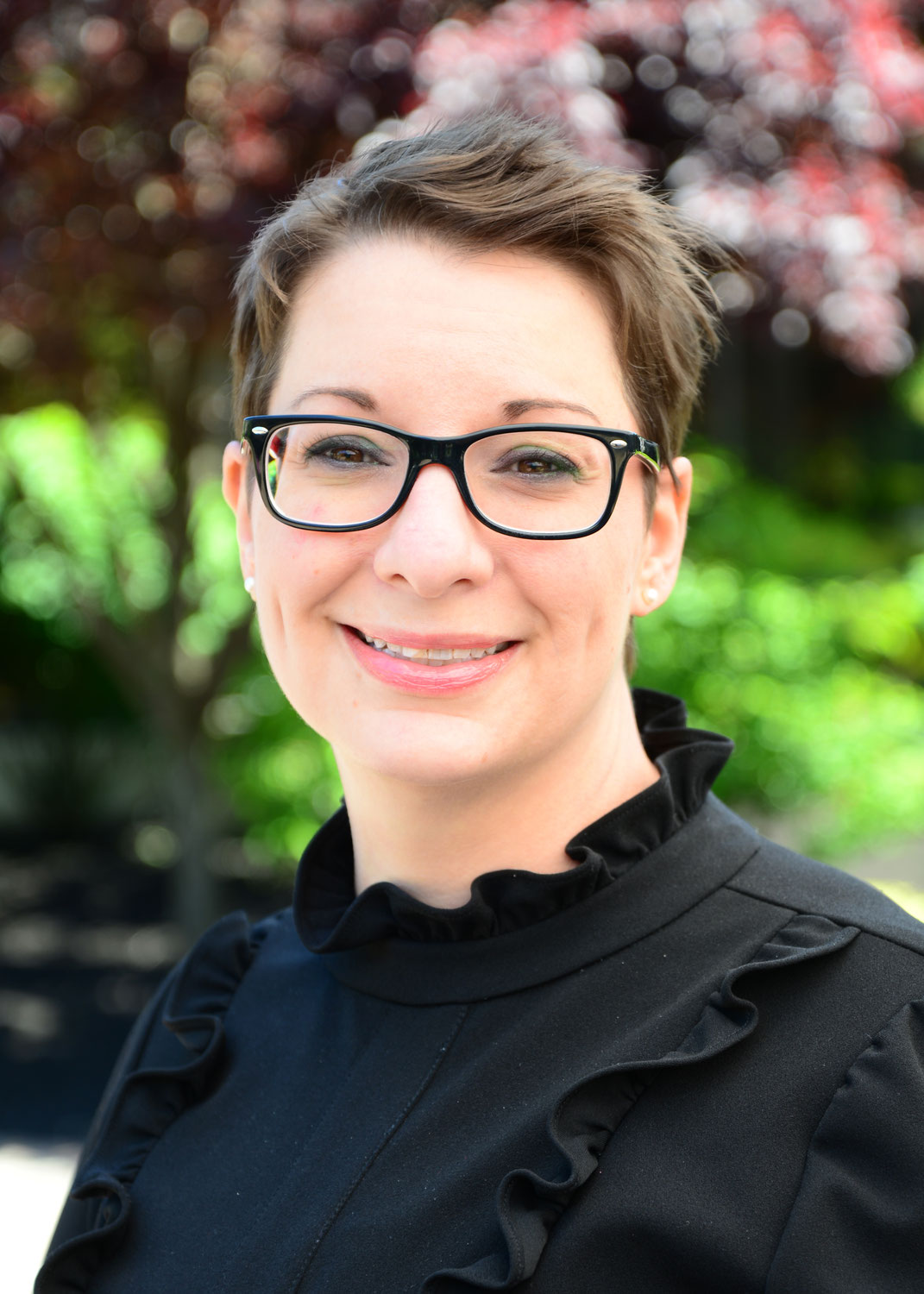
Asked for her five best parenting tips, Leah Marcus, Director of Youth Mental Health Services at Jewish Family Service, immediately said, “Be patient. And after that, pause, pause, pause, pause.” She smiled. “Parenting through big emotions is hard. One thing that really helps is staying calm instead of matching a child’s intensity. That’s a skill parents can learn and build over time alongside their children.”
Counseling & Mental Health · September 09, 2025
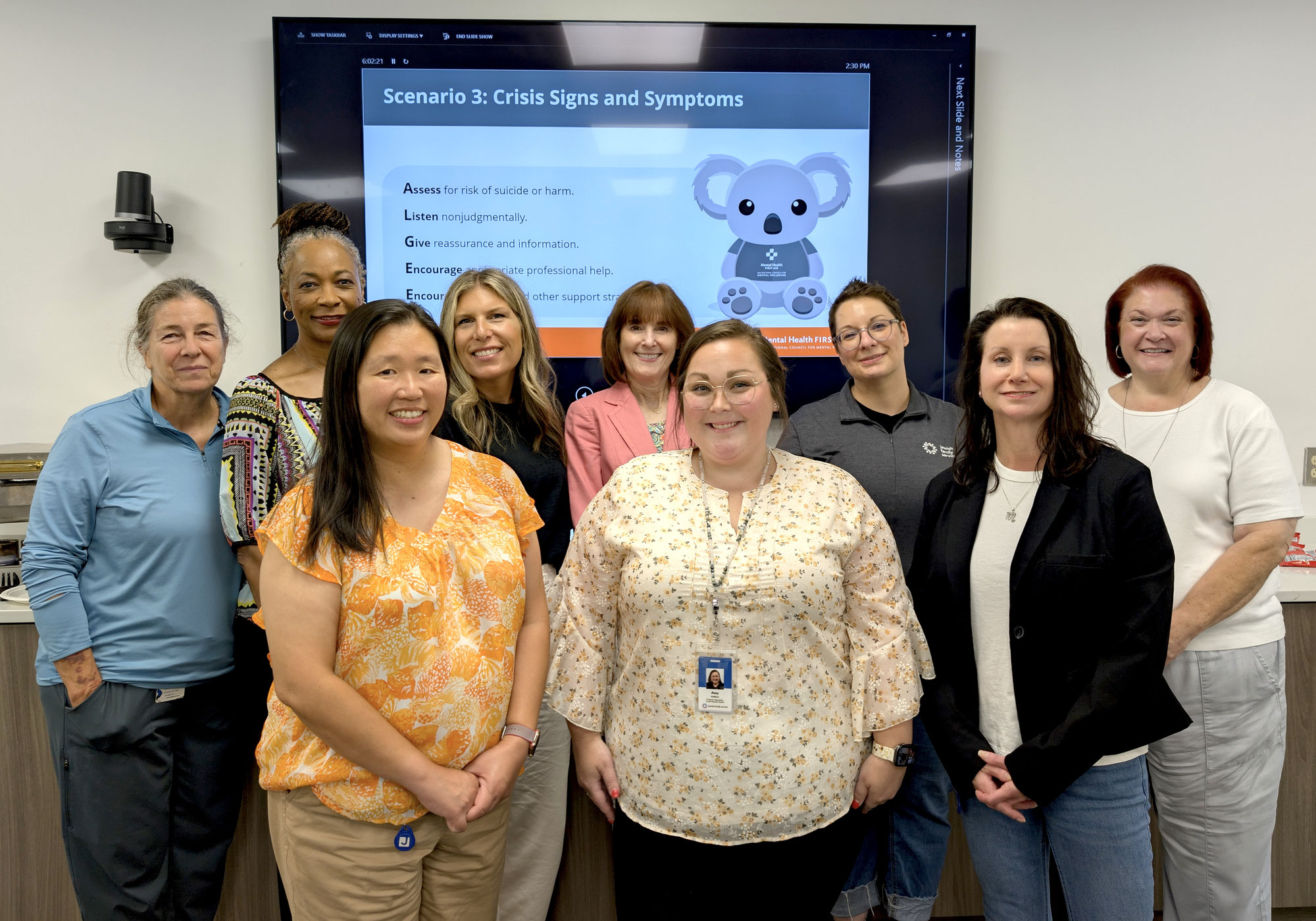
“Youth Mental Health First Aid is really about giving adults tools for how to listen and respond when a young person is having a hard time,” says Leah Marcus, who directs Youth Mental Health Services at Jewish Family Service.

Counseling & Mental Health · May 22, 2025
“I felt unanchored and lost. It became too much to carry my own laundry,” said Frances [a pseudonym to protect privacy], remembering.
It was an awful time in her life: first, her husband had passed after a long illness, with Frances nursing him for the final two years. Then she had left her Indianapolis home and moved to Cincinnati to live with her son, since he wanted to help her—however within a month of her arrival, her son was diagnosed with terminal cancer....
Counseling & Mental Health · June 28, 2024
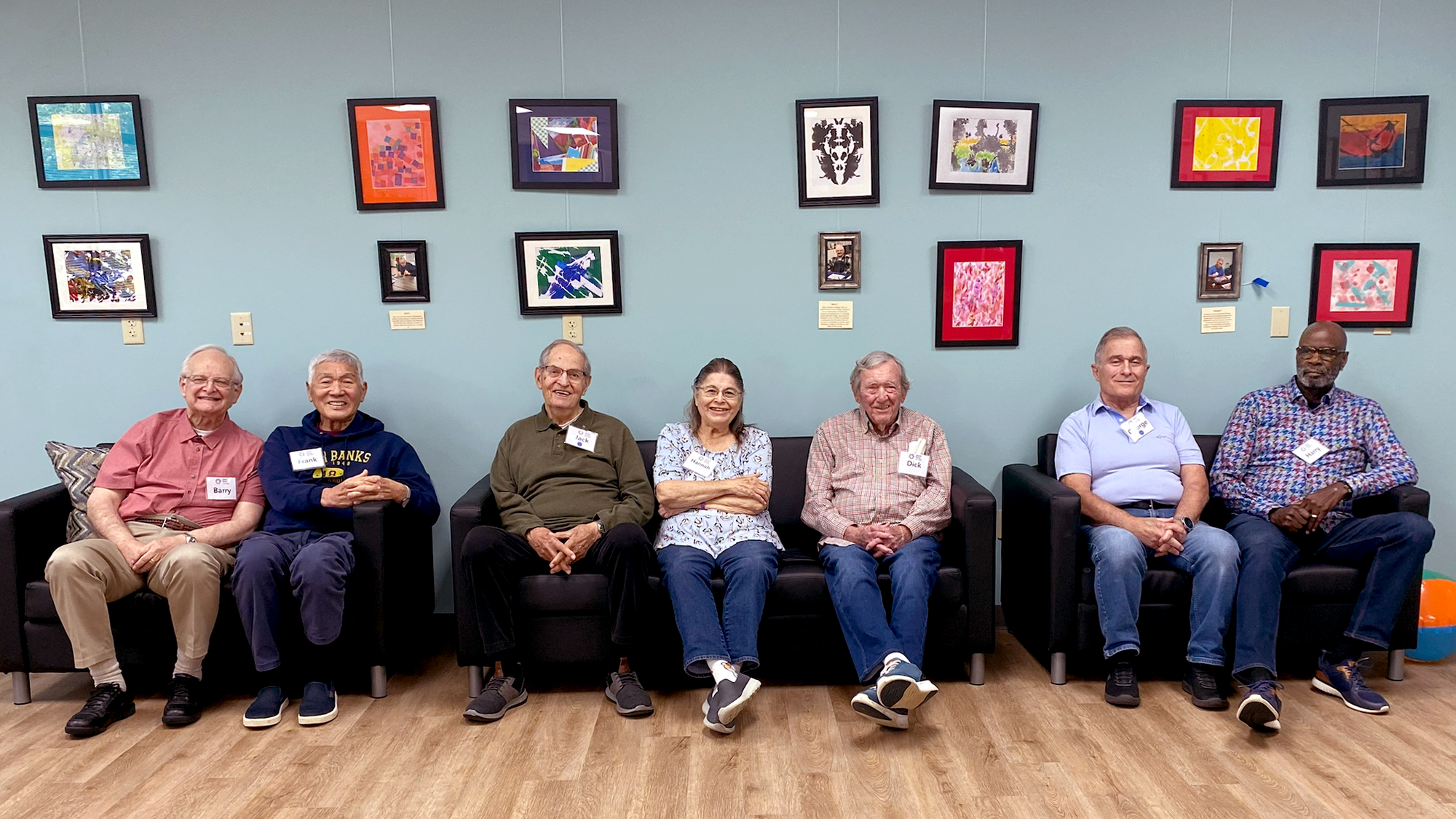
From the moment Jewish Family Service of Cincinnati (JFS) opened Adult Day Services in November 2023, Manager Becky Borello knew that she could inspire the program’s participants—all of whom face cognitive challenges—through the creative process of making art. “From the beginning, it has been our intention to have an art exhibition,” Borello said. “An art project provides an important benefit to our participants. It lets them exercise choice: choice in colors, in style, in design."

Counseling & Mental Health · September 20, 2023
Over the past three decades, Leah Marcus, Director of Youth Mental Health Services at Jewish Family Service (JFS), has lost ten high school classmates to suicide or overdose. These tragic deaths underscore a disturbing reality that is increasing dramatically in the United States: death by suicide. According to the Center for Disease Control and Prevention (CDC), in 2021, 49,500 people took their own lives—the highest number the CDC has recorded.

Counseling & Mental Health · August 09, 2021
From modern-day stressors, like social media, 24/7 texting, and constant location tracking—to more traditional ones, like homework, family turmoil, and bullying—today’s youth are living with a volatile mixture of societal pressures. And though the human psyche is equipped to handle enormous stress, when these pressures are intense, incessant, or novel (think coronavirus), they can increase one’s risk for mental health disorders.
Counseling & Mental Health · December 18, 2020
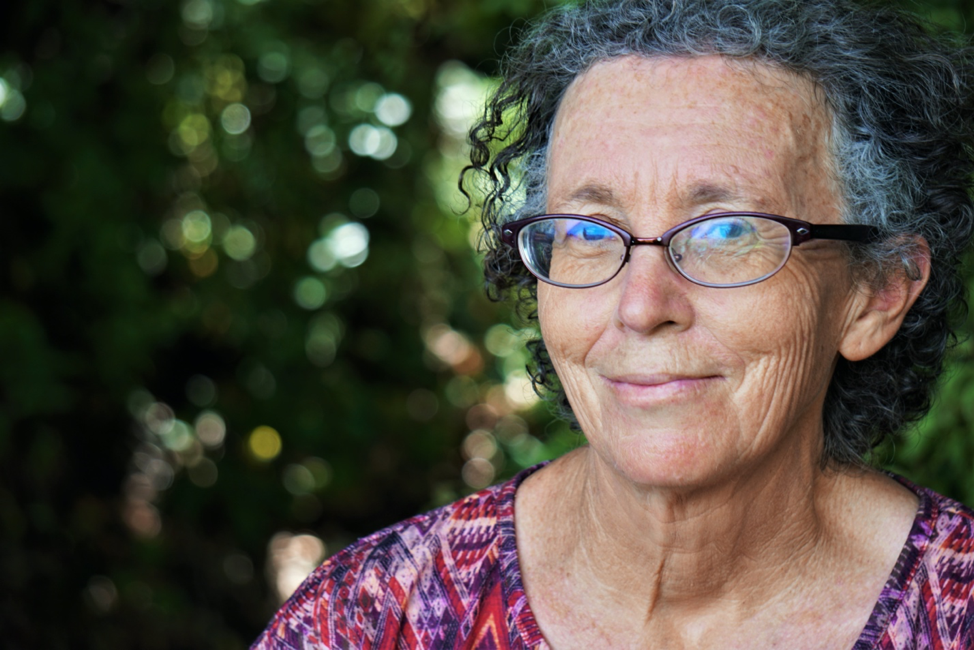
“It was one of my worst times,” says Gloria (identities changed for privacy). The interview takes place in the dining room of her small, freestanding home. There are signs of love all around—lots of green plants in the windows—but dust piles on the flat surfaces, and the curtains are faded. We are talking about when she finally fought free from addiction to pain medicine. (This interview occurred pre-COVID-19; at the end we share how Gloria is faring during the pandemic.)
OUR LOCATIONS
Jewish Family Service
9395 Kenwood Road, Suite 100
Cincinnati, OH 45242
Hours: Monday - Friday 9:00 am - 5:00 pm
Heldman Family Food Pantry &
Barbash Family Vital Support Center
3113 Clifton Avenue
Cincinnati, OH 45220
Hours: By appointment only
JFS Help Line: (513) 469-1188
General Fax: (513) 766-3358